Four ways to meet Xi'an.
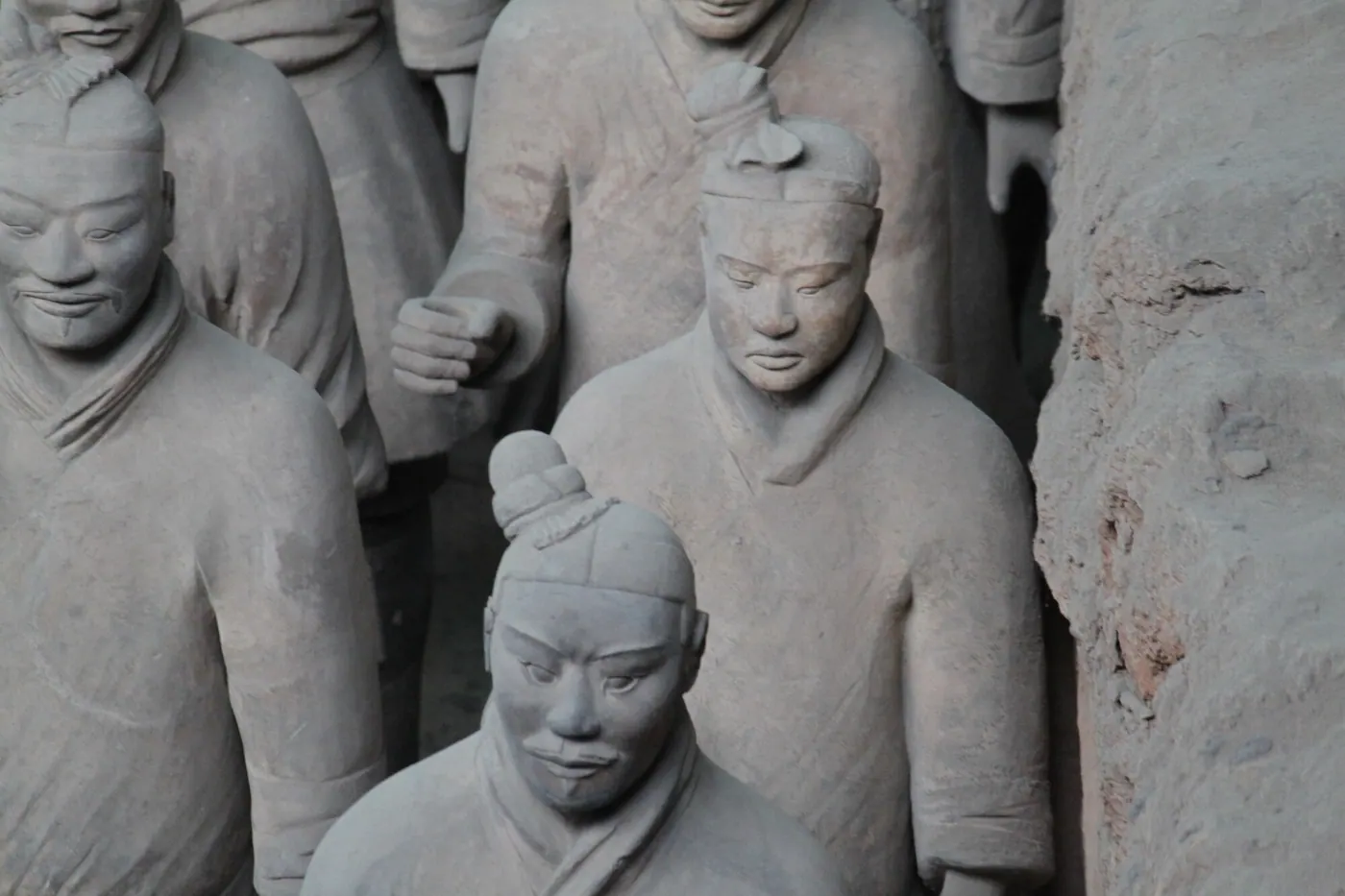
Become a Terracotta Warrior
Meet the emperor's buried army with a licensed archaeologist-guide, then make your own. In a workshop using local clay, you learn how the originals were moulded in parts and assembled, and you press, carve and paint a terracotta figure to take home. It is a tactile, surprisingly moving insight into the craft behind 8,000 life-size soldiers — and the perfect counterpoint to standing at the edge of Pit 1.
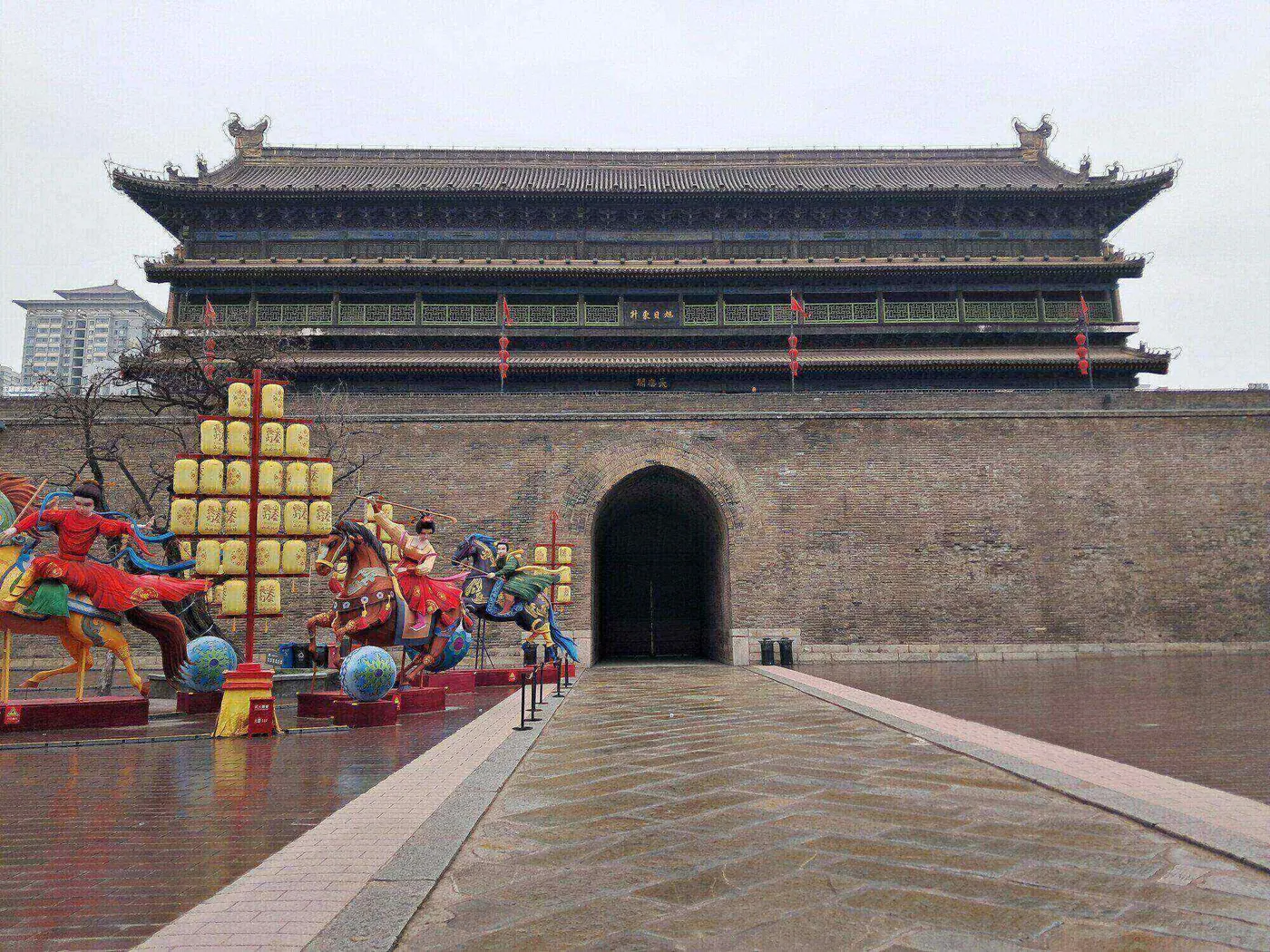
Cycle the Ming City Wall at Golden Hour
Xi'an's 14th-century wall is the most complete in China — a 13.7-kilometre rectangle you can ride end-to-end. As the sun drops, you cycle the ramparts past watchtowers and gatehouses, watching the city shift from grey courtyards to glossy towers below. Stop for photographs where the moat catches the last light, and finish with a cold drink above the south gate as the lanterns come on.
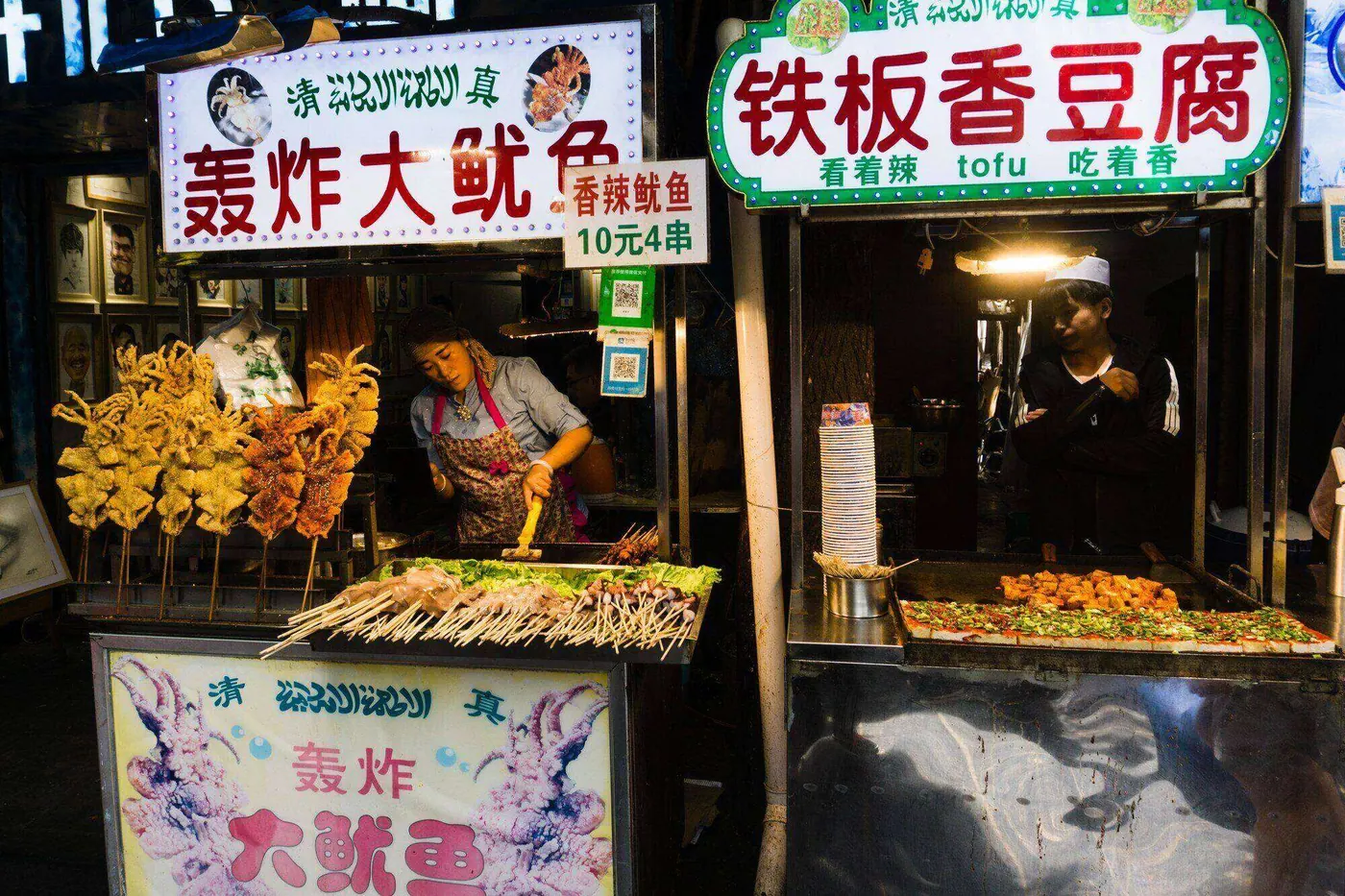
Muslim Quarter Street-Food Safari
The warren of lanes around the Great Mosque is Xi'an's stomach. With a food guide you graze from stall to stall: cumin-scented lamb skewers, roujiamo ('China's burger'), crumbled flatbread in mutton broth, belt-wide biangbiang noodles and sweet persimmon cakes. You learn the Silk Road in a single street — its spices, its breads and its centuries of traders — one bite at a time.

Tang Dynasty by Night — Grand Tang Mall
After dark, the Grand Tang Mall glows like a court of legend, its fountains, pagodas and pavilions lit in gold. A costumed guide leads you through the spectacle, past performers in Tang silks, to a rooftop vantage for the nightly music-and-light show. Optionally, dine on a Tang-recipe banquet — an evening that makes the dynasty feel less like history and more like a place you can visit.